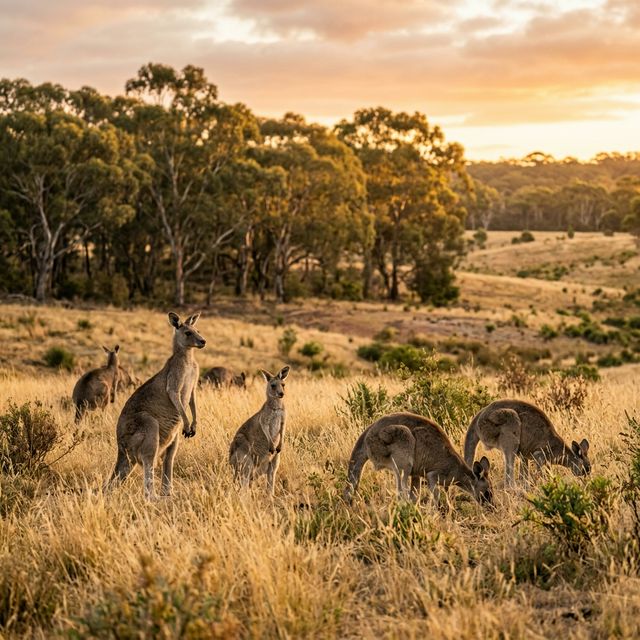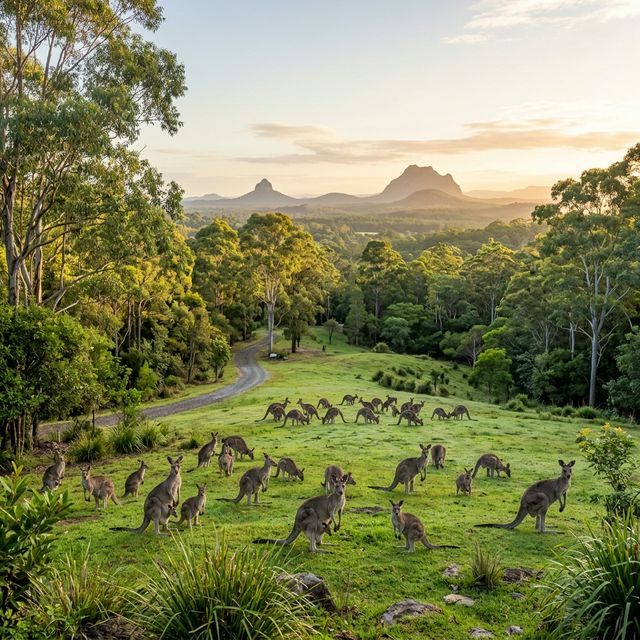
Australian wildlife sanctuary landscape with kangaroos and eucalyptus trees
πŸ“ Sunshine Coast, Queensland

Your Essential Guide to
Australian Wildlife Experiences

Expert travel tips, wildlife encounter guides, conservation stories, and everything you need to plan the perfect visit to Queensland's world-renowned wildlife sanctuaries on the Sunshine Coast.

πŸ“– 12 In-Depth Articles ⏱️ 20 min read πŸ“… Updated March 2026
Explore Articles ↓

Australia's Premier Wildlife Destination

Queensland's Sunshine Coast is home to some of Australia's most celebrated wildlife experiences. Nestled among the eucalyptus forests and subtropical bushland of towns like Beerwah, Glass House Mountains, and Maleny, this region has become a global destination for wildlife enthusiasts, conservation researchers, and families seeking unforgettable animal encounters.

From cuddling koalas and hand-feeding kangaroos to witnessing powerful saltwater crocodile demonstrations and exploring one of the world's largest wildlife hospitals, the Sunshine Coast offers a breadth of Australian wildlife experiences found nowhere else on Earth.

1,200+ Animal Species
110 Acres of Habitat
90,000+ Animals Rescued
#1 QLD Attraction

In-Depth Articles & Guides

Everything you need to know about Australian wildlife experiences on the Sunshine Coast

Australian wildlife sanctuary landscape Essential Guide
πŸ“… March 15, 2026 ⏱️ 5 min read

Complete First-Timer's Guide to Sunshine Coast Wildlife Sanctuaries

Planning your first visit to a Queensland wildlife sanctuary? This comprehensive guide covers everything from getting there and navigating the animal exhibits to essential tips for the best experience.

The Sunshine Coast's wildlife sanctuaries are spread across vast natural bushland areas, some covering over 100 acres of native habitat. For first-time visitors, the sheer scale can be overwhelming β€” having a plan ensures you see everything without exhausting yourself in Queensland's warm climate.

Most wildlife parks are structured around themed zones β€” Australian wildlife, African savannah, Southeast Asian species, and exotic encounters. Start with the Australian section in the morning when animals are most active, particularly kangaroos and koalas who tend to be more alert in cooler temperatures.

The daily show schedule is crucial to plan around. Crocodile demonstrations, bird of prey displays, and keeper talks run at set times throughout the day, and missing them means missing the most spectacular parts of your visit. Pick up a schedule at the entrance and mark your priorities.

Pro tip: Arrive when gates open (typically 9:00 AM) to beat the tour bus crowds that arrive mid-morning. The first two hours are usually the quietest and animals are most active. Bring sunscreen, a hat, comfortable walking shoes, and plenty of water.
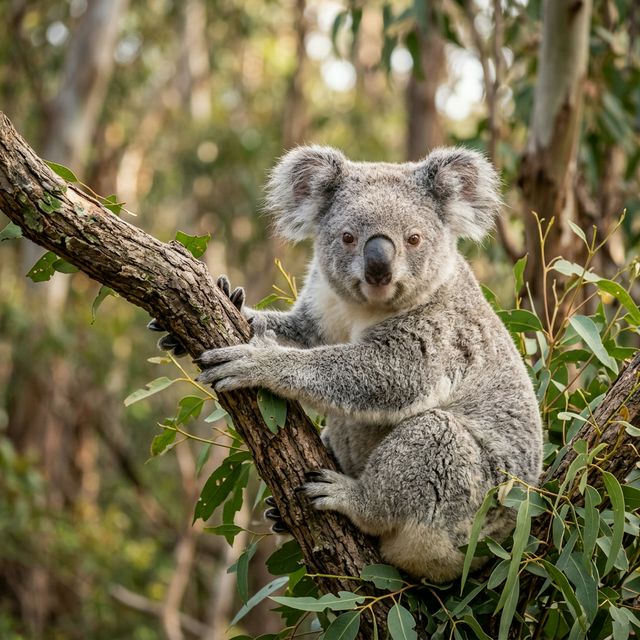
Koala sitting in eucalyptus tree Animal Encounters
πŸ“… March 12, 2026 ⏱️ 5 min read

Koala Encounters: Everything You Need to Know

Holding a koala is one of Australia's most iconic tourist experiences β€” and Queensland is one of the few states where it's still legal. Here's your complete guide to making it unforgettable.

Queensland remains one of only two Australian states (along with South Australia) where holding koalas is permitted by law. Wildlife sanctuaries on the Sunshine Coast take this privilege seriously, implementing strict welfare protocols that limit each koala's holding time to just 30 minutes per day and rotating animals to prevent stress.

During a typical koala cuddle experience, a trained keeper will place the koala on your folded arms while you support its weight from below. Koalas are surprisingly heavy (7-14 kg for males) and their claws are sharp β€” keepers will guide you on proper holding technique. A professional photographer captures the moment.

Beyond the holding experiences, the koala walkthrough areas allow you to observe these marsupials in their natural tree-top habitat. Early morning is the best time to see koalas awake and active β€” they sleep up to 22 hours per day due to the low-energy eucalyptus diet they survive on.

Good to know: Koalas have a strong eucalyptus scent that many visitors find pleasant. They rarely bite but their claws can scratch, so wear covered shoulders. Sessions typically book out early, so arrive first thing to secure your spot.

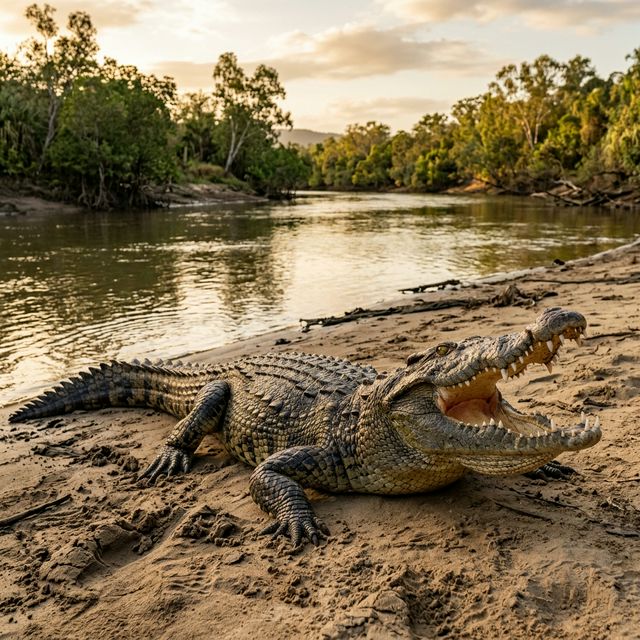
Saltwater crocodile basking on riverbank Wildlife Shows
πŸ“… March 8, 2026 ⏱️ 4 min read

Crocodile Shows: Australia's Most Thrilling Wildlife Performance

The Sunshine Coast's crocodile demonstrations are world-famous, continuing a tradition that put Australian wildlife on the global map. Here's what to expect from these jaw-dropping shows.

The crocodile demonstrations at Queensland's major wildlife sanctuaries are among the most spectacular wildlife shows on Earth. Held in purpose-built arenas that can seat thousands of spectators, these shows bring visitors face-to-face with the raw power of Australia's apex predator β€” the saltwater crocodile.

Shows typically run twice daily and last 20-30 minutes. Expert handlers demonstrate feeding techniques, explain crocodile behaviour, and share conservation messages about the importance of protecting these ancient reptiles. The highlight is usually a dramatic feeding sequence where a massive saltwater croc launches out of the water to snatch food.

Australia's saltwater crocodiles are the largest living reptiles on Earth, with males regularly exceeding 5 metres in length and weighing over 1,000 kilograms. Queensland's wildlife parks house some of the biggest specimens ever recorded, and seeing one in person is an awe-inspiring experience.

Best seats: Arrive 15-20 minutes early to secure front-row seating. The splash zone in the first few rows adds to the excitement. Photography from the stadium seating produces excellent results β€” use burst mode on your smartphone for the feeding action shots.

Kangaroos grazing in Australian grassland Australian Wildlife
πŸ“… March 5, 2026 ⏱️ 4 min read

Kangaroo Encounters: Walking Among Australia's Icons

Walk freely among herds of kangaroos and wallabies in open-range enclosures designed to replicate natural Australian bushland. Here's how to make the most of this unique experience.

The kangaroo walk-through areas at Sunshine Coast wildlife parks are among the most popular attractions. Unlike traditional zoo enclosures, these open-range habitats allow visitors to walk directly among dozens of free-roaming eastern grey and red kangaroos, as well as smaller wallaby species.

Many parks provide kangaroo food (usually pelleted feed) that visitors can purchase to hand-feed the animals. Kangaroos are generally gentle and accustomed to human contact, though young males can occasionally be boisterous. Follow keeper instructions and avoid feeding any animal that seems agitated.

The best time for kangaroo encounters is early morning or late afternoon when the animals are most active and feeding naturally. During the heat of midday, kangaroos typically rest in the shade β€” they're still photogenic but less interactive.

Photography tip: Get down to kangaroo eye level for the most engaging photographs. Sit or kneel slowly and let the animals approach you. Many kangaroos are very comfortable with close human presence and will eat directly from your open palm.

Wildlife rehabilitation Conservation
πŸ“… March 1, 2026 ⏱️ 5 min read

Wildlife Conservation on the Sunshine Coast

The Sunshine Coast is home to some of Australia's most important wildlife hospitals and conservation programmes. Learn about the vital work being done to protect native species.

The Sunshine Coast hosts one of the world's largest wildlife hospitals, treating over 90,000 sick, injured, and orphaned animals since its founding. The facility operates 24/7, 365 days a year, responding to everything from koalas hit by cars to sea turtles entangled in fishing line.

Conservation programmes focus heavily on koala protection. Koala populations across eastern Australia have declined dramatically due to habitat loss, vehicle strikes, dog attacks, and disease (particularly chlamydia). Wildlife sanctuaries on the Sunshine Coast run breeding programmes, habitat restoration projects, and community education initiatives.

Crocodile conservation is another major focus. Once hunted to near-extinction in Queensland, saltwater crocodile populations have recovered remarkably since the introduction of protective legislation in 1974. Wildlife parks play a crucial role in educating the public about living safely alongside these predators.

Visitors to the Sunshine Coast can support conservation by visiting accredited wildlife parks (whose entry fees fund animal care and research), volunteering with wildlife rescue organisations, or symbolically adopting an animal through park conservation programmes.

Sunshine Coast landscape Travel Tips
πŸ“… February 25, 2026 ⏱️ 3 min read

How to Get There: Transportation Guide to Sunshine Coast Wildlife

The Sunshine Coast is easily accessible from Brisbane by car, train, and shuttle bus. Here's your complete transport breakdown.

The Sunshine Coast's main wildlife sanctuaries are located in the Beerwah and Glass House Mountains area, approximately 80 kilometres north of Brisbane CBD. By car, take the Bruce Highway (M1) north and exit at Steve Irwin Way β€” the drive takes about 60-75 minutes depending on traffic.

Queensland Rail operates a Sunshine Coast line from Brisbane Central to Beerwah station (approximately 90 minutes), with connecting shuttle buses to nearby wildlife parks. Trains run regularly throughout the day, and an Octopus card (Queensland's transit card) covers the full journey.

Several day tour operators run daily services from Brisbane and the Gold Coast, typically including hotel pickup, admission, and a guided itinerary. These tours are excellent for international visitors without rental cars, though they limit flexibility on timing.

Driving tip: If self-driving, allow extra time for the scenic Glass House Mountains detour β€” the volcanic peaks jutting from flat coastal plains are one of Queensland's most photographed landscapes, and several lookouts along the route provide stunning photo opportunities.

Family wildlife experience Family Travel
πŸ“… February 20, 2026 ⏱️ 4 min read

Family-Friendly Guide: Visiting Wildlife Parks With Children

Queensland's wildlife sanctuaries are designed with families in mind. Interactive encounters, splash parks, and educational programmes make them perfect for kids of all ages.

Children are at the heart of Sunshine Coast wildlife experiences. Most parks offer a range of age-appropriate activities, from hand-feeding gentle kangaroos (suitable for toddlers with supervision) to guided keeper experiences for older children who want a deeper understanding of animal care.

Many wildlife parks include water play areas and splash parks β€” a blessing during Queensland's hot summers. These areas are typically included in general admission and provide a welcome break between animal encounters. Pack swimwear and towels.

The free shuttle bus tours offered at some parks are ideal for families with young children or pushchairs. These narrated tours cover the expansive grounds and stop at major animal exhibits, reducing the walking distance that can tire little legs.

Family planning tip: Australian wildlife parks are primarily outdoor experiences. Apply SPF 50+ sunscreen before arrival and reapply every two hours. Wide-brimmed hats are essential. Most parks have shaded rest areas and air-conditioned gift shops where families can cool down between outdoor sections.

Wildlife photography Photography
πŸ“… February 15, 2026 ⏱️ 3 min read

Wildlife Photography Tips: Capturing Australia's Amazing Animals

From koala close-ups to crocodile action shots, Australian wildlife parks offer incredible photography opportunities. Here are expert tips for getting the best shots.

For koala portraits, use portrait mode on your smartphone or a shallow depth of field (f/2.8-4) on a DSLR. The soft, diffused light filtering through eucalyptus canopy creates naturally beautiful lighting conditions. Focus on the koala's eyes for the most engaging images.

The crocodile shows present the ultimate wildlife photography challenge β€” fast action in variable lighting. Switch to sports/action mode on your phone, or use shutter priority (1/1000s or faster) on a camera. The feeding moment when the croc launches from the water is the money shot β€” be ready with your finger on the shutter.

Kangaroo photos work best with a ground-level perspective. Sit or kneel slowly to get eye-to-eye with these gentle animals. Many kangaroos are so relaxed around humans that you can photograph them from just a metre away β€” a smartphone is perfectly adequate at this distance.

General tips: Morning light (9-10 AM) produces the warmest, most flattering wildlife photographs. Avoid using flash, which can startle animals and is banned in most enclosures. Remove glass reflections by placing your lens directly against enclosure windows.

Glass House Mountains landscape Nearby Attractions
πŸ“… February 10, 2026 ⏱️ 4 min read

Beyond the Zoo: What Else to Do on the Sunshine Coast

The Sunshine Coast is packed with world-class attractions beyond its wildlife parks. Here's how to build a multi-day Queensland adventure.

The Glass House Mountains β€” a dramatic cluster of volcanic peaks rising abruptly from the coastal plain β€” are just minutes from the region's major wildlife parks. Named by Captain James Cook in 1770, these mountains offer hiking trails ranging from easy lookout walks to challenging summit climbs with panoramic views.

Noosa Heads, about 45 minutes north, is one of Australia's most beautiful beach towns. The Noosa National Park coastal walk, Hastings Street boutique shopping, and world-class surfing make it the perfect complement to a wildlife day. Consider spending a full weekend combining wildlife and beach experiences.

The charming hinterland towns of Maleny, Montville, and Mapleton sit in the Blackall Range behind the coast, offering artisan food, craft galleries, rainforest walks, and Mary Cairncross Scenic Reserve β€” a pristine subtropical rainforest with wild platypus sightings at dawn.

Weekend itinerary suggestion: Day 1 = wildlife sanctuary full day. Day 2 = Glass House Mountains hike in the morning, Maleny/Montville hinterland tour in the afternoon. Day 3 = Noosa Heads beach and national park walk.

Australian native animals Species Guide
πŸ“… February 5, 2026 ⏱️ 4 min read

A Beginner's Guide to Australian Native Wildlife

Australia's wildlife is unlike anything else on Earth. From marsupials to monotremes, this guide introduces the unique animals you'll encounter at Sunshine Coast wildlife parks.

Marsupials are Australia's most famous animal group, characterised by carrying their young in pouches. At Sunshine Coast wildlife parks, you'll encounter several species: kangaroos (the large, hopping icons), wallabies (smaller cousins), koalas (tree-dwelling eucalyptus specialists), wombats (sturdy burrowing marsupials), and Tasmanian devils (the world's largest carnivorous marsupial).

Reptiles are spectacularly represented, with saltwater crocodiles being the headline attraction. Australia has over 900 reptile species β€” more than any other country. You'll also see Komodo dragons (from Indonesia), GalΓ‘pagos tortoises, various snake species, and the peculiar frilled-neck lizard that became an Australian cultural icon.

Don't miss the birds of prey demonstrations. Australia is home to wedge-tailed eagles (the largest raptor in the Southern Hemisphere), peregrine falcons (the fastest animal on Earth), and cassowaries (the world's third-largest bird, found only in Queensland's tropical rainforests).

The most unusual Australian animals are the monotremes β€” egg-laying mammals found nowhere else on Earth. The platypus and echidna represent an ancient evolutionary lineage stretching back over 200 million years. Seeing them in person is a genuine biological privilege.

Australian wildlife dining Food & Dining
πŸ“… January 28, 2026 ⏱️ 3 min read

Where to Eat: Dining at and Near Wildlife Parks

From on-site cafΓ©s to nearby Sunshine Coast restaurants, there's no shortage of food options to fuel your wildlife adventure.

Most major wildlife parks have on-site food courts and cafΓ©s offering a range of Australian favourites β€” meat pies, sausage rolls, fish and chips, and burgers. Quality has improved significantly in recent years, and many parks now offer healthier options including salads, wraps, and fruit smoothies.

The nearby town of Beerwah has several family-friendly restaurants and fast-food outlets along Steve Irwin Way. For something more special, the Glass House Mountains area offers hidden gem cafΓ©s with views of the volcanic peaks.

For a premium dining experience, the Sunshine Coast hinterland towns of Maleny and Montville (20-30 minutes away) offer excellent restaurants using local produce β€” Queensland grass-fed beef, Moreton Bay bugs (a local shellfish delicacy), macadamia nuts, and tropical fruits.

Budget tip: Many visitors pack a picnic lunch and use the designated picnic areas within the wildlife parks. This saves time and money, and some picnic spots overlook animal enclosures β€” you might find kangaroos joining you for lunch (don't feed them human food).

Accessible wildlife experience Accessibility
πŸ“… January 20, 2026 ⏱️ 3 min read

Accessibility Guide for Wildlife Park Visitors

Queensland's wildlife parks are committed to accessibility. Here's everything you need to know about wheelchair access, assistance, and facilities for visitors with disabilities.

The major wildlife parks on the Sunshine Coast have invested heavily in accessibility infrastructure. Paved pathways connect most exhibits, and ramp access is available at key viewing areas, amphitheatres, and dining facilities. Wheelchair users can enjoy the vast majority of the park experience.

Shuttle bus tours are particularly valuable for visitors with mobility challenges, covering the extensive grounds without the need for extensive walking. Most buses are wheelchair-accessible, though availability may vary β€” check with specific parks before your visit.

Air-conditioned rest areas and buildings provide welcome relief from the Queensland heat. Accessible toilets are located throughout the parks, and companion card programmes (providing free entry for carers) are accepted at most major attractions.

Planning tip: Contact the park directly before your visit to discuss specific accessibility needs. Staff are generally very accommodating and can arrange priority seating at shows, wheelchair loans, and assistance with animal encounters. Many parks offer sensory-friendly sessions for visitors with autism or sensory sensitivities.

Essential Visitor Tips

Practical advice for the best possible wildlife experience

⏰

Arrive Early

Gates open at 9:00 AM. The first two hours are quietest and animals are most active. Tour buses typically arrive around 10:30-11:00 AM.

β˜€οΈ

Sun Protection

Queensland UV is intense year-round. Apply SPF 50+ before arrival, wear a hat, and bring sunglasses. Reapply sunscreen every 2 hours. Bring plenty of water.

πŸ“…

Show Schedule

Grab a show schedule at the entrance. Plan your route around the must-see shows β€” crocodile demonstrations and bird shows book out viewing areas quickly.

πŸ‘Ÿ

Comfortable Shoes

Parks cover 100+ acres and are mostly on flat terrain. Walking 8-12 km in a full day is typical. Comfortable, closed-toe shoes are essential.

πŸ“Έ

Photography Rules

Photography is allowed everywhere except where specifically restricted. Never use flash near animals. Smartphone cameras work brilliantly in the bright Queensland light.

πŸŽ’

What to Bring

Sunscreen, hat, water bottle, comfortable shoes, swimwear (for splash parks), and a light rain jacket during wet season (Dec-Mar). Lockers available on-site.

Seasonal Guide

What to expect at Sunshine Coast wildlife parks throughout the year

🌸

Spring

September – November
  • Warm and sunny (20-28Β°C)
  • Baby animal season β€” joeys, chicks
  • Wildflowers blooming on trails
  • Peak tourist season begins
β˜€οΈ

Summer

December – February
  • Hot and humid (25-35Β°C)
  • Splash parks are lifesavers
  • School holiday crowds
  • Afternoon storms β€” arrive early
πŸ‚

Autumn

March – May
  • Perfect weather (20-28Β°C, less humid)
  • Smallest crowds β€” best time
  • Animals very active
  • Ideal for photography
❄️

Winter

June – August
  • Mild and dry (12-22Β°C)
  • Clear skies β€” great visibility
  • Koalas more active in cool weather
  • Bring a light jacket for mornings

Frequently Asked Questions

Most Sunshine Coast wildlife parks operate daily from 9:00 AM to 5:00 PM, with last entry at 4:00 PM. Parks are generally open every day of the year except Christmas Day (December 25). Some parks may have extended hours during school holidays and special events.

Yes! Queensland is one of only two Australian states where holding koalas is legally permitted. Koala encounters are typically offered throughout the day with strict welfare protocols β€” each koala is held for a maximum of 30 minutes per day, and sessions are supervised by experienced keepers.

Absolutely! Most parks are highly family-friendly with pram-accessible paths, baby change facilities, splash parks, and gentle animal encounters suitable for toddlers. Many parks offer free entry for children under 3 years old. The kangaroo walk-through areas are particularly popular with young families.

Allow at least 4-5 hours for a comprehensive visit. If you want to see all shows, do animal encounters, and explore at a relaxed pace, plan for a full day (9 AM to 4 PM). Many visitors underestimate the size of the parks β€” they cover over 100 acres with dozens of exhibits.

Wear comfortable, closed-toe walking shoes and lightweight, breathable clothing. Essential items: SPF 50+ sunscreen, wide-brimmed hat, sunglasses, refillable water bottle, and a light rain jacket (wet season: December-March). Optional: swimwear for splash parks, camera/smartphone, and snacks.

Yes, most major parks have paved pathways, ramp access at key areas, accessible toilets, and wheelchair-accessible shuttle buses. Companion cards (free carer entry) are accepted. Contact the park prior to your visit to discuss specific accessibility needs β€” staff are very accommodating.